Blogia

EASYFISQUIM , ESO i Batxillerat.

4ESO Física i Química , ARTICLE 62 : EMPTY PERIODIC TABLE FOR PRACTICING.
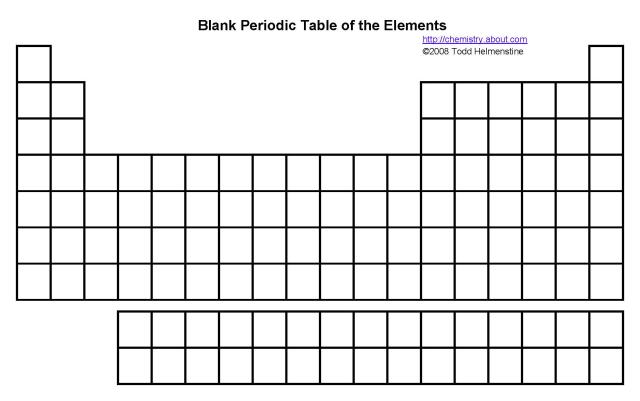
4ESO Física i Química ,  ARTICLE 62 :  EMPTY PERIODIC TABLE FOR PRACTICING.


- An empty periodic table to exercice by heart and remembering families and chemical elements :


  * Empty periodic table.


  * Periodic table with elements' names.


 - English elements’ name :

Hydrogen, Lithium, sodium, potassium, rubidium, cesium, francium
Beryllium, magnesium, calcium, strontium, barium, radium
Boron, aluminum, gallium, indium, thallium
Carbon, silicon, germanium, tin, lead
nitrogen, phosphorus, arsenic, antimony, bismuth
oxygen, sulfur, selenium, tellurium, polonium
fluorine, chlorine, bromine, iodine, astatine
helium, neon, argón, krypton, xenón, radón
scandium, titanium, vanadium, chromium,manganese, iron, cobalt, nickel, copper, zinc
palladium, silver, cadmium, platinum, gold, mercury.
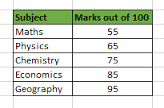

2ESO English Eines Tic : Article 2 : Exemple 1 , marks means.

2ESO English Eines Tic : Article 2 :  Exemple 1 , marks means.


 - Exemple 1 to practice EXCEL for the first time :


    * Exemple 1.


4ESO Física i Química , ARTICLE 61 : Tasks to do on guard class. (FEINA PER A LA GUARDIA DEL DIMECRES DIA 21-9-16).

4ESO Física i Química ,  ARTICLE 61 :  Tasks to do on guard class.  (FEINA PER A LA GUARDIA DEL DIMECRES DIA 21-9-16).


  - Here you have tasks to do on guard on wednesday 21-9-16. (Aquí teniu la feina per a fer a la guardia de demà dimecres 21-9-16)


  * TASK 1 :  Finish your homework from the last class in case you have not finished yet.


  * TASK 2 :  Read the page 147 of your textbook and make later the exercice 1 and 2 from this page. (In order to this page read the article 58 of the bloc too).


  * TASK 3 :  Begin to do all the exercises of page 154 of your textbook, if you cannot finish them on guard class you will have to come them to an end at homework.


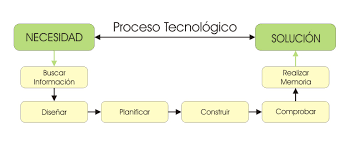
1ESO Tecno : ARTICLE 4 : Identificar les etapes del procés tecnològic.

1ESO Tecno : ARTICLE 4 :  Identificar les etapes del procés tecnològic.


 - Veieu els següents videos i feu una taula identificant els diferents passos del procés tecnològic en cadascun :

  * video 1.

  * video 2.


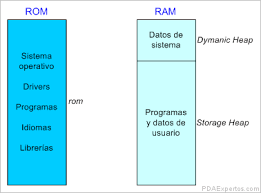
4ESO Informàtica 2016-2017 : Article 1 : Diferències entre memòria RAM i ROM.

4ESO Informàtica 2016-2017 : Article 1 : Diferències entre memòria RAM i ROM.


 - Consulteu aquí els següents links per diferenciar correctament la RAM de la ROM :

 
 * Diferencia entre memoria RAM i ROM (1).

* Diferència entre memòria RAM i ROM (2).

* Diferència entre memòria RAM i ROM (3).


4ESO Física i Química , ARTICLE 60 : Polarity and bond polarity.

4ESO Física i Química ,  ARTICLE 60 :  Polarity and bond polarity.


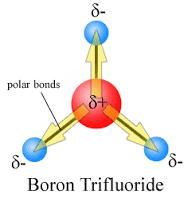
- Look this link up to know about polarity definition and which ones are the most common polar bonds and why :


                                                         * Polarity and polar bonds.


 - An interesting videos explaining what polar and nonpolar molecules are. It’s told in a fast english but if you watch it several times you will understand the basis of the explanations thanks to the images and drawings and outlines shown at the video :


                                                              * Polarity video.

                                                              * Polarity video 2.

                                                              * Polarity video 3.


 - Read and watch here about water polarity, one of the most important compounds on earth and chemistry :


                                                              * Read about water polarity.

                                                               *Water polarity video 0.

                                                               * Water polarity video 1.

                                                                * Water polarity video 2.


4ESO Física i Química , ARTICLE 59 : ATOMIC ORBITALS, DO YOU REALLY KNOW WHAT THEY ARE?.

4ESO Física i Química ,  ARTICLE 59 :  ATOMIC ORBITALS, DO YOU REALLY KNOW WHAT THEY ARE?.


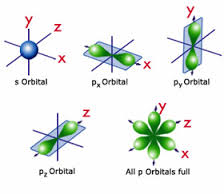
 - Do you really wanna know what an atomic orbital is?  so then come and check the next link and read it carefully at home !! :


                                                 *    WHAT AN ATOMIC ORBITAL REALLY IS !!


                                                 AUFBAU RULE
        HUND AND PAULI PRINCIPLES.


 - A very slow and nice video explaining all about orbitals, filling out orbitals with electrons and Hund and Pauli principles and rules :


                                                  * Video about orbitals and Hund and Pauli principles.


                                                  * PowerPoint about Hund and Pauli principles.


                                                  * Another video about Aufbau rule and Hund and Pauli principles.


                                                  * One more video about Pauli and Hund principles.


4ESO Física i Química , ARTICLE 58 : Atomic and mass numbers.

4ESO Física i Química ,  ARTICLE 58 :  Atomic and mass numbers.


                                                          ATOMIC NUMBER AND MASS NUMBER.


                       (Information got from https://global.britannica.com/science/chemical-element)


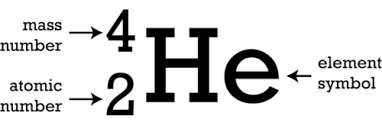
- Atomic number (Z) , the number of a chemical element in the periodic system, whereby the elements are arranged in order of increasing number of protons in the nucleus. Accordingly, the number of protons, which is always equal to the number of electrons in the neutral atom, is also the atomic number. An atom of iron has 26 protons in its nucleus; therefore the atomic number of iron is 26.

In the symbol representing a particular nuclear or atomic species, the atomic number may be indicated as a left subscript. 


Mass number (A) , in nuclear physics, the sum of the numbers of protons and neutrons present in the nucleus of an atom. The mass number is commonly cited in distinguishing among the isotopes of an element, all of which have the same atomic number (number of protons) and are represented by the same literal symbol; for example, the two best known isotopes of uranium (those with mass numbers 235 and 238) are designated uranium-235 (symbolized 235U) and uranium-238 (238U).